Warmer weather changes the way you drive. Road trips get longer, traffic gets heavier, and the family vehicle works harder than it does at any other point in the year. When the temperature climbs and the schedule fills up, the last thing you want is a brake problem slowing you down. A vehicle that stops the way it should is not a luxury. It is the difference between a safe summer and a dangerous one.
Your brakes are the most important safety system on your vehicle, yet they are easy to ignore until something goes wrong. The good news is that brake trouble almost always gives you warning signs long before it becomes an emergency. Knowing what to look for, and acting early, keeps your repair small and your family safe.
How Heat and Summer Driving Affect Your Brakes
Brakes work by turning the energy of your moving vehicle into heat through friction. In summer, that heat builds faster. Stop and go traffic, mountain grades, towing a trailer, and a fully loaded car all put extra demand on your braking system. Add in higher pavement temperatures and you have the perfect conditions to expose any weakness that was already there.
Worn brake pads, low brake fluid, or warped rotors might feel manageable in cooler months. Push them through a hot summer of heavy use and small problems turn into expensive ones fast. A quick brake inspection before the busy season is one of the easiest ways to protect both your safety and your wallet.
Warning Signs Your Brakes Need Attention
You do not need to be a mechanic to notice when something is off. Pay attention to how your vehicle feels and sounds, and watch for these common symptoms of worn or failing brakes.
Squealing or Squeaking
A high pitched squeal when you press the pedal usually means your brake pads are wearing thin. Many pads are built with a small metal wear indicator that makes noise on purpose, telling you it is time for new pads before metal grinds on metal.
Grinding
A harsh grinding sound is more serious. It often means the pads are completely worn and the metal backing is now scraping against the rotor. Driving on grinding brakes damages the rotors and turns a simple pad replacement into a much larger repair.
A Soft or Spongy Pedal
If your brake pedal feels soft, sinks toward the floor, or takes more effort to stop, you may have a brake fluid problem, air in the lines, or a failing component. This one should never wait.
Pulling to One Side
When your vehicle pulls left or right while braking, it often points to uneven pad wear, a stuck caliper, or a brake fluid issue. Beyond being unsafe, it puts extra strain on your tires and steering.
Vibration or Pulsing
A steering wheel or brake pedal that shakes when you slow down is a classic sign of warped rotors. Heat is a common cause, which is exactly why summer is when this symptom tends to show up.
Dashboard Brake Light
If your brake warning light comes on, treat it as a signal to get an inspection soon. It can indicate low fluid, worn pads, or an issue with the antilock braking system.
What a Professional Brake Inspection Covers
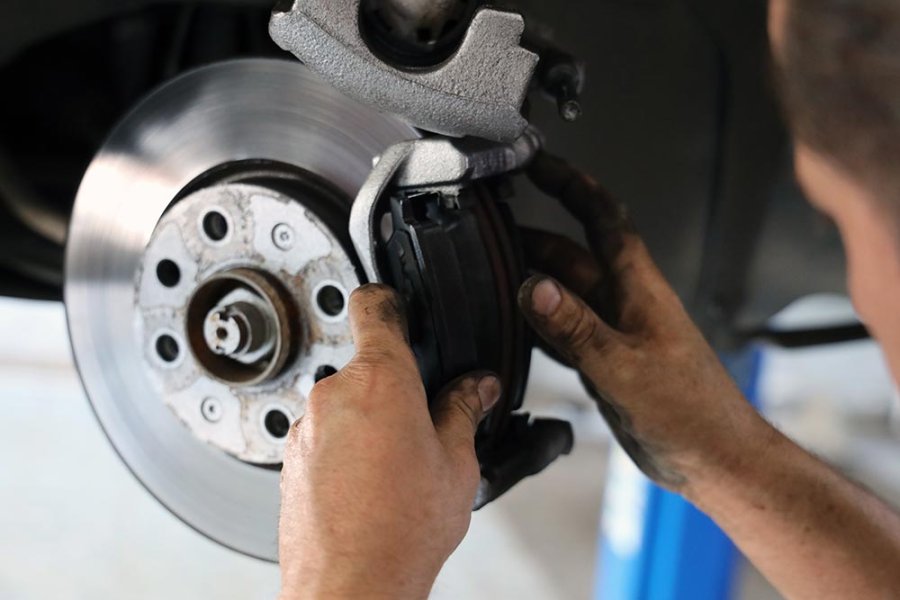
A thorough brake service looks at the entire system, not just the part making noise. During a complete brake inspection, a qualified technician typically checks the brake pads and shoes for thickness, measures the rotors and drums for wear and warping, inspects the calipers and wheel cylinders, examines brake lines and hoses for leaks, and tests the brake fluid for moisture and contamination.
This full picture matters. Replacing pads while ignoring a worn rotor or low fluid only solves part of the problem. A proper inspection helps you fix what is needed now and plan ahead for what is coming, so you are never caught off guard on a long summer drive.
How Often Should You Have Your Brakes Checked?
A good rule of thumb is to have your brakes inspected at least once a year, and many drivers do it every time they rotate their tires. If you drive in heavy traffic, tow regularly, or rack up a lot of miles, more frequent checks make sense. Brake pads do not have a single fixed lifespan. Your driving habits, the roads you travel, and the loads you carry all play a part.
The best time to check is before you need your brakes the most. Scheduling a brake inspection at the start of the warm season means you head into summer with confidence instead of crossing your fingers.
The Real Cost of Waiting
Delaying brake repair almost always costs more in the end. Worn pads are inexpensive to replace. Let them wear all the way down and you risk damaging the rotors, calipers, and other parts, which multiplies the price of the repair. More importantly, failing brakes put you, your passengers, and everyone on the road at risk.
Catching a brake issue early keeps the repair small, fast, and affordable. It is one of the smartest maintenance decisions a driver can make.
Drive Into Summer With Confidence
Your vehicle should be ready for whatever the season brings, from the daily commute to the long awaited road trip. Reliable brakes are at the heart of that readiness. If you have noticed any warning signs, or if it has simply been a while since your last check, now is the time to act.
A trusted local auto repair shop can perform a complete brake inspection, explain exactly what your vehicle needs, and get you back on the road safely. Do not wait for a small noise to become a serious problem. Make brake service part of your summer plan and enjoy the drive knowing your vehicle can stop the moment you need it to.